
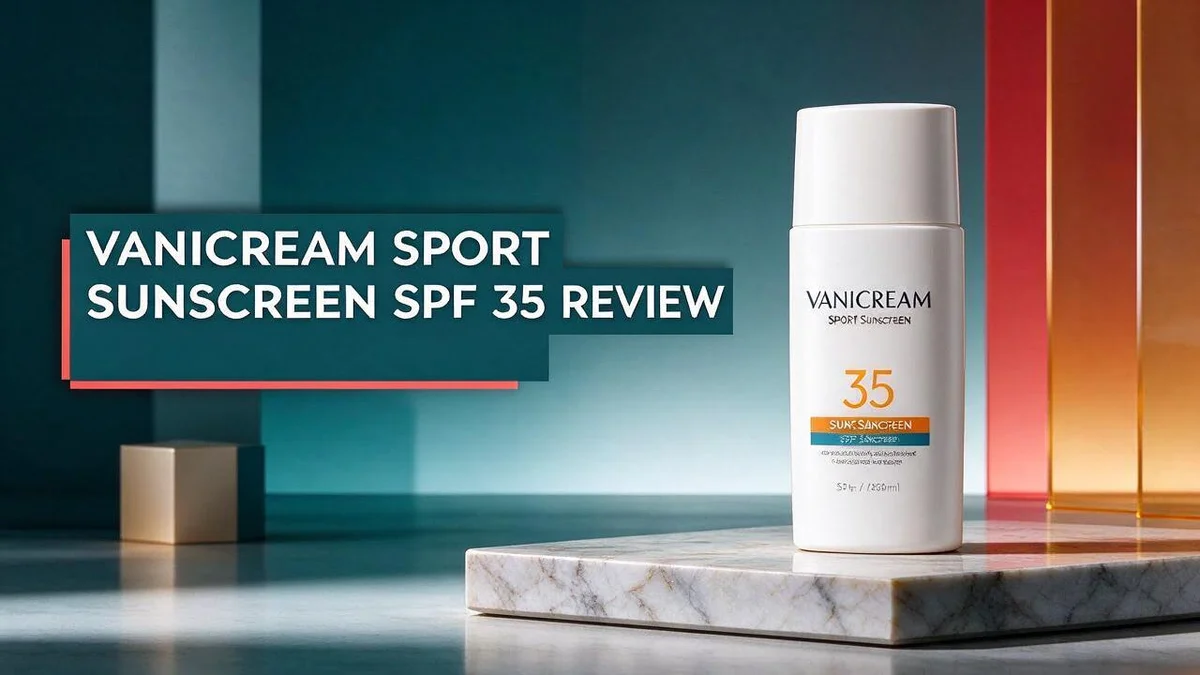
Sunscreen day can feel like a chore. You want strong protection without the greasy feel or the stinging. That is where Vanicream Sport Broad Spectrum SPF 35 steps in.
Your skin deserves care every single day. This mineral formula is made for sensitive skin. It goes on light and spreads easily.
Many people with reactive skin struggle to find a sunscreen they can trust. Some products sting, clog pores, or leave a heavy film. This one aims to solve that problem.
In this review, you will learn what makes this sunscreen stand out.
We will cover its SPF 35 protection, its water resistance, and how it feels on your skin. We will also share a few honest drawbacks, so you know what to expect.
In a Nutshell
-
Light feel: This lotion spreads easily and feels light, so it does not sit heavy on the skin.
-
Clear finish: The formula leaves no white tint, which keeps the look natural after you apply it.
-
Mineral base: Minerals help shield the skin from sun rays, so many people prefer this simple approach.
-
Possible shine: Some users notice a slightly shiny finish, so oily skin types may want to blot or set the layer with powder.
-
Skip damaged skin: Do not apply this product to broken or damaged skin, since it may sting or cause irritation.
-
Check the label: Vanicream sells several sunscreens, and EWG flagged the SPF 50 version for weaker UV protection than its number suggests. Always confirm you hold the SPF 35 bottle before you use it.
Key Ingredients and Formula

- Broad-Spectrum Protection: Shields against UVA and UVB rays with 19.5% non-nano zinc oxide.

Last update on 2026-06-03 / Affiliate links / Images from Amazon Product Advertising API Some of the links on this website are affiliate links, which means that at no additional cost to you, I earn a commission if you click through and make a purchase. I only recommend products and services that I believe will add value to my readers. Thank you for your support!
Most mineral sunscreens rely on a few active ingredients. Zinc oxide and titanium dioxide are the usual choices. Check the label to see which minerals this bottle contains.
Inactive ingredients matter too. They make up most of any lotion. They shape the texture, the spread, and how the layer sits on your skin.
Sensitive skin often reacts to fragrance or dyes. A short ingredient list makes it easier to spot possible triggers.
Patch testing is a smart first step. Apply a small amount to your inner arm. Wait about 24 hours before you use it on your face or neck.
This sunscreen is made for active days, so sweat and movement matter. The formula needs to stay put during a run or a game.
Reapply after swimming or towel drying. Do not wait for the layer to feel gone. Fresh product keeps your coverage strong.
Application amount makes a real difference. Many people apply too little product. A thin layer gives less protection than the label suggests. Squeeze out enough to cover each exposed area, then blend it in evenly.
Timing helps the layer work well. Apply it about 15 minutes before you head outside. This gives the film time to settle on your skin.
Ingredient lists can look confusing at first. Scan for the active minerals near the top. Then check the inactive list for anything you already know you react to. This simple habit saves time at the store.
Some people like to compare mineral options side by side. Look at texture, scent, and how fast the lotion absorbs. Test two options on your skin when possible.
Your routine should fit your skin. Choose the formula that feels comfortable every day. Comfort keeps you wearing sunscreen, and steady use is what truly protects you.
Texture and Application
Texture decides whether you will reach for sunscreen every morning. Many people skip it because it feels thick or leaves a film. This formula offers a smooth start instead.
On the face, the spread feels simple across the cheeks, forehead, and nose. Rub gently in small circles. You do not need to scrub or press hard into the skin.
Blending each area takes only a few seconds. Work from the center outward. This keeps coverage even near the jawline and hairline.
Body use works well too. Arms, shoulders, and legs take the product without much drag. You can cover a large area in just a few minutes. Keep the bottle near your door so you never forget it.
Makeup lovers often ask how sunscreen plays with foundation. Give the layer a short rest first. Then pat your foundation on top. The base usually sits more evenly on the skin.
Hands need extra care. Rub a small amount between your palms before touching your face. Warming it slightly helps the product spread more evenly. This also keeps your fingers from leaving thick streaks.
Summer heat can change how any lotion feels. Keep the tube out of a hot car when you can. A cool storage spot helps the texture stay consistent from the first squeeze to the last.
Do not forget the spots people often miss. Check your ears, the sides of your neck, and the tops of your feet. A quick look in a mirror helps you find gaps. Missed spots can burn even on cloudy days.
Kids often squirm during application. Let them help rub the product into their arms. A calm, playful routine makes the process quicker and less stressful.
Hair and scalp matter too. Part your hair and dab a little product along the line. Use a light touch so the layer stays clean and comfortable.
After it dries, the skin should feel smooth, not tight. A tight or heavy feel may mean the layer is too thick. Try a lighter touch next time and see how it feels.
Skin Types and Suitability
Skin type matters more than most people think. The right sunscreen should feel comfortable every day, not just on the first try. Here is how different skin types may respond.
Your skin type shapes your results. Some skin needs extra moisture, while other skin needs a lighter touch. Knowing your type helps you decide if this sunscreen fits your routine.
Dry skin may need extra help. Mineral formulas can feel drying on some people. Layer a hydrating moisturizer underneath for comfort. Let it sink in before you apply sunscreen.
Combination skin often works well. Many people with oily T zones and drier cheeks like how this lotion spreads. Use a little less on oily areas. Add a bit more to dry patches.
Acne prone skin needs a closer look. Some people break out after using heavy creams. Watch how your skin reacts over several days. Stop use if new bumps appear.
Rosacea and eczema call for caution. Sensitive or itchy skin can react to new products. Talk with a dermatologist before you start. Stop use if stinging, burning, or rash appears.
Fair skin burns faster in strong sun. Light complexions need steady protection during long walks or beach days. Reapply often when you stay outside for hours. Wear a hat for extra shade.
Deeper skin tones should check the finish. Some mineral sunscreens leave a gray cast on certain complexions. Test a small patch in natural daylight. Check how it blends along your jawline.
Babies and young kids need extra care. Infant skin is very thin and sensitive. Ask a pediatrician before using any sunscreen on a baby. Keep the lotion away from eyes.
Mature skin often feels thinner. Add moisture underneath to keep skin comfortable. Choose a formula that feels soft on the skin. A gentle daily layer helps protect fine lines from sun damage.
The best choice fits your skin. Read the label, test a small area, and watch your skin over time. Comfort keeps you protected every single day.
Top 3 Alternatives
Blue Lizard Sport

- 100% MINERAL SUNSCREEN - Mineral-only SPF formula with Zinc Oxide and Titanium Dioxide for broad spectrum protection.
Last update on 2026-10-27 / Affiliate links / Images from Amazon Product Advertising API Some of the links on this website are affiliate links, which means that at no additional cost to you, I earn a commission if you click through and make a purchase. I only recommend products and services that I believe will add value to my readers. Thank you for your support!
Blue Lizard Sport works well for busy days outdoors. It uses mineral filters that sit on top of the skin and start protecting right away. Many people like its water-resistant formula for workouts, swimming, and long walks. Apply it generously and reapply every two hours, or sooner after sweating.
Neutrogena Sheer Zinc

- Sheer Mineral Sunscreen Lotion: Three 3 fl oz bottles of Neutrogena Zinc Oxide Sheer Mineral Sunscreen with SPF 50 to protect against harmful UVA/UVB rays
Last update on 2026-10-27 / Affiliate links / Images from Amazon Product Advertising API Some of the links on this website are affiliate links, which means that at no additional cost to you, I earn a commission if you click through and make a purchase. I only recommend products and services that I believe will add value to my readers. Thank you for your support!
Neutrogena Sheer Zinc offers a lightweight feel that blends well under makeup. It relies on zinc oxide to block both UVA and UVB rays. The sheer finish leaves little to no white cast, which makes it easy to wear every day. It is a good choice for people who dislike greasy textures.
La Roche-Posay Anthelios

- Face sunscreen for oily skin with broad spectrum SPF 60 protection; Sunscreen absorbs pore clogging oil, even in heat and humidity; Formulated with cell Ox shield antioxidant technology
Last update on 2026-06-07 / Affiliate links / Images from Amazon Product Advertising API Some of the links on this website are affiliate links, which means that at no additional cost to you, I earn a commission if you click through and make a purchase. I only recommend products and services that I believe will add value to my readers. Thank you for your support!
La Roche-Posay Anthelios is a popular pick for sensitive skin. Its formulas focus on gentle ingredients and broad protection. Many users appreciate how it feels comfortable during hot, sunny afternoons. Check the label for the level of protection you need before you buy.
Water Resistance and Sport Performance
Water resistance matters most when you sweat a lot. The Vanicream Sport Broad Spectrum SPF 35 lists water resistance of up to 80 minutes. That window covers many outdoor workouts, games, and practice sessions.
Water resistance does not mean waterproof. Water and sweat slowly wear down any sunscreen layer over time. Think of the 80 minute mark as a helpful guide, not a promise.
Sport sessions bring heat, friction, and moisture at the same time. Your skin faces more stress during a run or a bike ride. Simple habits help the layer last longer through each session.
Grip matters on the court, field, or trail. The lotion is not greasy, so it does not leave a slick film on your hands. Racquets, bats, and handlebars feel more secure during play.
Shine can appear during hard exercise. Sweat can bring out a light sheen on the face and neck. A quick pat with a clean cloth keeps your skin looking fresh without rubbing off the layer.
Mind the sun near water, sand, and snow. Reflected light can raise UV exposure, even in shade. Water resistance keeps the lotion in place, but hats and sunglasses still add helpful protection.
Outdoor sports vary a lot. Cycling, golf, hiking, and beach volleyball each bring different sun exposure. Plan your sunscreen around the longest part of your day outside.
Choose the right sunscreen for your sport. Lightweight lotions suit long days better than heavy creams. Your activity level shapes how often you need to reset your routine.
A mineral formula sits on the skin rather than soaking in. That helps it stay visible as a protective layer during play. Still, check the layer after long sessions.
Rinse off after the session. Use a gentle cleanser to lift sweat, dirt, and sunscreen together. Clean skin feels comfortable and ready for the next day.
Keep a small tube in your gym bag. A ready supply means you never skip the step. Sport days often start early, so this simple habit saves time.
Pros and Cons
Pros
- Lightweight and easy to apply
- Not greasy, so it feels comfortable on the skin
- No white tint after it blends in
- Spreads easily across the face and body
- Marketed for sensitive skin
Cons
- Can leave skin slightly shiny
- Do not use on damaged or broken skin
- Water resistance lasts up to 80 minutes only
- Easy to confuse with the SPF 50 version, which EWG flagged for lower UV protection
Who Should Buy It
Are you looking for a sunscreen that fits both daily life and active days? This lotion may be a good match for many readers.
Mineral sunscreen fans often want a formula that sits on the surface of the skin. This product uses a mineral base, so it suits people who prefer that style.
The label markets this lotion for sensitive skin. That claim makes it worth a look for readers who want a gentle daily choice.
New sunscreen users often feel unsure where to start. This lotion offers broad spectrum protection with an SPF of 35, which gives beginners a clear starting point.
Busy people often move from work to errands to outdoor time. One bottle can handle all of those stops without a bag full of extras.
Travelers also tend to pack light. The 3 oz size can fit into many small bags, so it works well for short trips.
Gardeners and dog walkers spend time outside in short bursts. These quick trips still add up over a week, so daily use helps.
Gym goers who train indoors may still need protection. Windows let some UV rays through, so daily use still matters.
Anyone who spends long hours outside should plan to reapply. No sunscreen lasts all day without a fresh layer, so set a reminder on your phone.
Some shoppers may want a different option. People who love a rich, cushiony cream may find this lotion too light. A thicker formula may feel more comfortable to them.
Readers who need a fully matte finish for work or photos may also look elsewhere. Matte sunscreens often suit those who dislike any sheen at all.
Think about how often you will apply it. A lotion you like will get used more often, and regular use protects skin best.
Before you decide, think about your daily routine. Choose this lotion if you want a light, mineral option for everyday wear and active moments.
Final Verdict
The final verdict is a positive one for many people. Vanicream Sport Broad Spectrum SPF 35 offers mineral protection in a light, easy lotion. It suits anyone who wants steady daily coverage without a heavy feel.
Think about your routine first. If you move from work to errands to a quick walk, this lotion fits into your day. It spreads smoothly across the face and body.
Sensitive skin shoppers have a good reason to try it. The label points to sensitive skin. That makes it a practical choice for many people who react to new products.
Still, a patch test on a small area is a smart first step. Wait a day before you use it all over.
Also keep your expectations realistic. A slight shine can appear after a hard workout. A light powder or blotting sheet may help.
Reapply often when you stay outside for long hours. Pool days and beach trips call for extra care.
Layer this lotion after your moisturizer. Let it settle for a minute before you dress. A hat and sunglasses add another layer of defense.
Who should skip it? Anyone with broken or damaged skin should wait for healing first. Shoppers who want a thick, cushiony cream may find this lotion too light for their taste.
Do not mix up this product with the SPF 50 version. EWG flagged that formula for lower UV protection than its number suggests.
Check the label before you buy. Make sure you choose the SPF 35 you want.
Here is a simple way to decide. Choose this lotion if you want a mineral option for active days and calm, everyday wear.
Pick another formula if you need heavier moisture or a stronger finish.
Overall, this sunscreen earns a solid place in a sun care routine. It brings a light texture, a comfortable feel, and a clear focus on sensitive skin. Your skin type and daily habits will guide the final choice.
Frequently Asked Questions
Can I rely on this lotion alone outdoors?
No, it works best as one part of your sun plan. Pair it with a hat, sunglasses, and shade during midday hours. Think of the lotion as a helper, not a full shield.
How much lotion should I apply?
Use enough to cover all exposed skin evenly. Many people apply too little, and that can lower protection. Spread the lotion across your face, neck, ears, and arms before you head out.
Where should I keep the bottle?
Store it at room temperature. Keep it away from hot cars, pool decks, and direct sun. Heat can change how a lotion feels and performs over time.
How can I tell if the bottle has gone bad?
Check the expiration date or the date printed on the tube. Toss the product if the texture looks separated, smells off, or changes color. Fresh sunscreen gives you the protection you expect.

Hey there, I’m Evelyn Carson, the founder and author of Trendy Beauty Blog. I’m a beauty enthusiast with a passion for sharing the latest trends and products with the world.