
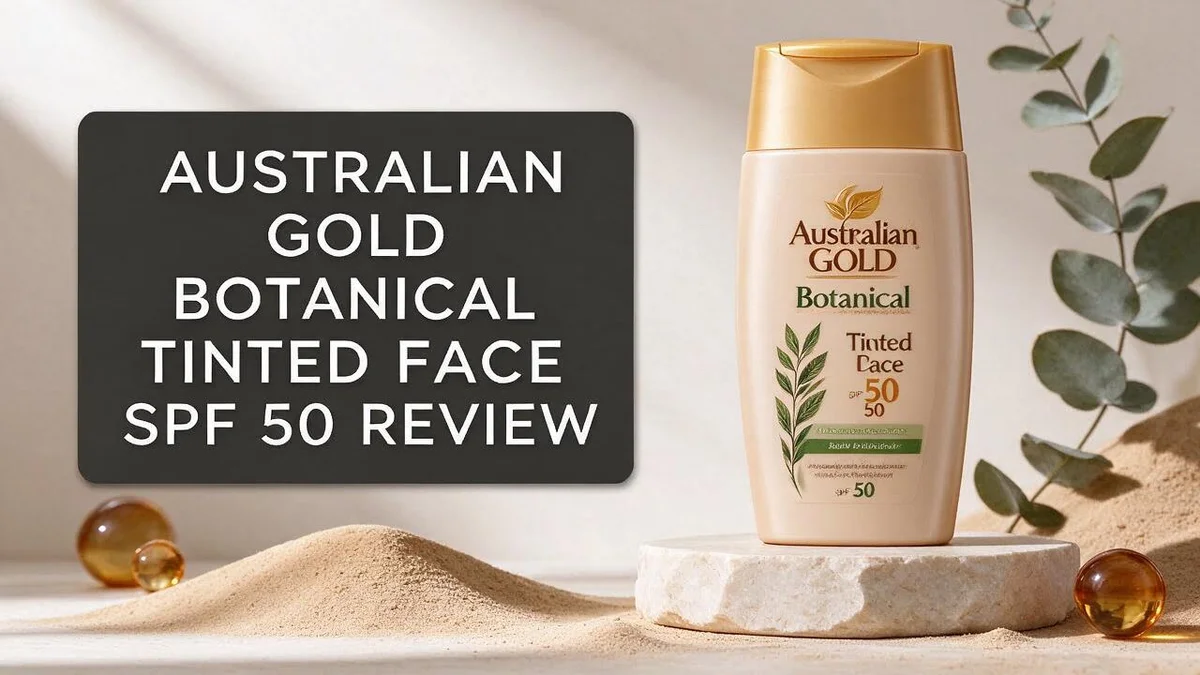
Finding a face sunscreen that feels good and looks natural can be tough. Many formulas leave a white cast or feel heavy on the skin. That is where Australian Gold Botanical Tinted Face SPF 50 steps in.
This mineral tinted sunscreen offers broad spectrum protection with an SPF of 50. It comes in three shades and gives a soft, matte finish. Many people with sensitive skin also reach for it because it is fragrance free.
Users often say it does not look pale or white on the skin. The texture feels smooth and spreads without a pasty feel. Some also love the blurring finish that makes skin look even.
This review covers performance, ingredients, and who it suits best. Keep reading to see if it earns a spot in your routine.
In a Nutshell
This sunscreen offers several useful traits for daily wear. Here is what stands out most.
- A smooth, light texture: The cream glides on easily and spreads evenly. It never feels thick or pasty on the skin.
- A soft matte finish: The formula blurs fine lines and absorbs extra shine. Oily areas stay calmer for longer hours.
- A simple ingredient list: Water, glycerin, and silica lead the formula. Silicones like cyclopentasiloxane give a silky feel.
- Fragrance free for sensitive skin: The formula skips added scent. This helps people who react easily to strong smells.
- Water resistant wear: One user reports about 80 minutes in water. Still, reapply after swimming or heavy sweating.
- Shade and size options: Three shades help match different skin tones. Listings show either 2.5 or 3 fluid ounces.
Overall, this formula suits people who want a light and calm daily face sunscreen. Test a small patch first if your skin reacts easily to new products.
Key Ingredients

- 100 PERCENT MINERAL FACE SUNSCREEN SPF 50: Titanium Dioxide and Zinc Oxide deliver broad spectrum UVA and UVB protection. The lightweight, powder-matte BB cream formula suits sensitive, acne-prone skin.
Last update on 2026-10-27 / Affiliate links / Images from Amazon Product Advertising API Some of the links on this website are affiliate links, which means that at no additional cost to you, I earn a commission if you click through and make a purchase. I only recommend products and services that I believe will add value to my readers. Thank you for your support!
The ingredient list tells a clear story about how this face sunscreen works. Most of the formula relies on cyclopentasiloxane, a light silicone. It helps the cream glide on and dry down quickly.
Next comes cetyl PEG/PPG-10/1 dimethicone. This ingredient acts as an emulsifier, so water and oil stay blended. That blend keeps the texture steady from the first squeeze to the last.
Disteardimonium hectorite is a clay based thickener. It gives the formula body and helps it sit evenly on the skin. Clay ingredients also absorb oil. This supports the soft matte feel that many users notice during the day.
Polymethylsilsesquioxane is a fine silicone powder. It creates a soft blur that smooths the look of the skin surface. The powder also helps the tint blend in. That may explain why the shade looks natural rather than chalky.
Mineral sunscreens usually rely on active filters such as zinc oxide or titanium dioxide. The research does not list those active filters, so check the full label before you decide.
Read the active filters first. Then scan the inactive list for anything your skin reacts to.
Each ingredient has a job. Some help with spreading, some with blurring, and some with holding the tint steady. Light textures often feel better under makeup or on warm days.
Fewer extra ingredients can mean fewer chances for irritation, though every skin type reacts differently. Patch testing on a small area is a wise step. Wait a day before using it on your full face.
A quick test helps you judge comfort and tint match in daylight. Daily wearers may appreciate how the formula feels light through the workday.
Texture and Application
Good application starts with clean, dry skin. Apply your usual moisturizer first. Then wait about two minutes so the base can settle.
Use a generous amount for full protection. Many people apply too little, which lowers the real SPF. Aim for roughly a nickel sized dot for the face alone.
Start at the center of the face and work outward. Press gently with fingertips instead of rubbing. This helps the tint blend without pulling at the skin.
Your neck, ears, and the tops of your hands need coverage too. Many people skip these areas. Add a little product there so the skin stays protected.
A damp sponge creates a seamless look. The sponge pushes the tint into fine areas around the nose and jaw. Let the product dry for a minute before you add powder.
Use this sunscreen as a light base under makeup. It works well with a lotion based foundation. Skip heavy creams underneath, since they can cause pilling.
Makeup brushes also work well with this product. A flat brush gives a smooth finish on larger areas. A small concealer brush helps around the eyes and nose.
Reapply every two hours when you stay outdoors. Sweat, towels, and sunglasses wear off protection over time. Keep a small tube in your bag for a quick touch up.
For oily days, a thin second layer can help more than a thick first one. Pat the layer on rather than swiping it. This keeps the wear even through the afternoon.
Avoid rubbing your eyes after applying. Wash your hands before touching the face. This keeps the tint clean and the formula steady through the day.
Test the application on your jawline first. Check how it sits after a few hours in the sun. If it stays comfortable and blends well, it suits your routine.
Skin Types and Suitability
Oily skin types often find this sunscreen a helpful daily pick. A light base can keep shine in check without a heavy feel.
Dry skin needs extra support. This formula feels light, so very dry skin may feel tight by midday. Add a hydrating moisturizer underneath and dab a little extra on dry patches.
Sensitive skin deserves a patch test first. Mineral filters sit on the surface, which many people with reactive skin prefer. Still, try a small area along the jawline for a few days before full use.
Combination skin gets a balanced result. Oily zones stay calmer, while drier cheeks may need a little extra moisture. Apply moisturizer only to the dry areas for a smart mix.
Acne prone skin may welcome a lighter base. Watch how breakouts respond over two weeks. If new bumps appear or irritation builds, stop use and speak with a dermatologist.
Rosacea and redness prone skin may appreciate a tint that softens the look of color. Mineral formulas often sit well over redness for many users. Still, track any flare ups closely.
Deeper and lighter skin tones need careful shade matching. Test two neighboring shades in natural light. Check the color near the jaw and neck, since the face and neck should match.
Mature skin can look refreshed with a soft tint. Fine lines often look softer under a blurring base. Keep a gentle night cream in the routine so skin stays comfortable.
Some people may want a different choice. Very oily skin that craves heavy coverage may need a thicker base. Frequent swimmers or heavy sweaters may also need a stronger hold on sweat.
In short, most skin types can try this sunscreen with care. Start with a small test, add moisture where needed, and reapply often outdoors. Your skin shows you what works best.
Top 3 Alternatives
La Roche-Posay Anthelios Tinted

- Potent Mineral Formula for Natural Suncreen Protection: This lightweight 100% mineral tinted faces sunscreen with titanium dioxide was developed for daily SPF protection, gentle enough for sensitive skin, and provides broad spectrum SPF 50 protection

Last update on 2026-06-06 / Affiliate links / Images from Amazon Product Advertising API Some of the links on this website are affiliate links, which means that at no additional cost to you, I earn a commission if you click through and make a purchase. I only recommend products and services that I believe will add value to my readers. Thank you for your support!
This option suits sensitive skin well. It uses mineral filters that sit on top of the skin.
The tint blends with many skin tones. Many people with reactive skin find it gentle for daily use. It also offers broad protection from UVA and UVB rays. Pair it with a hat on long days outside.
EltaMD UV Clear Tinted

- TINTED SUNSCREEN FOR FACE: This tinted face sunscreen with transparent Zinc Oxide provides broad spectrum SPF 46 protection and helps protect normal and sensitive skin types from UVA and UVB damage without leaving behind residue
Last update on 2026-09-12 / Affiliate links / Images from Amazon Product Advertising API Some of the links on this website are affiliate links, which means that at no additional cost to you, I earn a commission if you click through and make a purchase. I only recommend products and services that I believe will add value to my readers. Thank you for your support!
This sunscreen fits oily and acne-prone skin. It contains zinc oxide and niacinamide.
Niacinamide helps calm redness over time. The formula feels light and does not leave a heavy shine. Many people with breakouts choose it for everyday wear. Apply it as the last step before makeup.
Coola Mineral Tinted Face

- ROSILLIANCE BB CREAM: Broad Spectrum SPF 30 UVA/UVB protection
Last update on 2026-10-27 / Affiliate links / Images from Amazon Product Advertising API Some of the links on this website are affiliate links, which means that at no additional cost to you, I earn a commission if you click through and make a purchase. I only recommend products and services that I believe will add value to my readers. Thank you for your support!
This choice works well for people who want a natural, sheer finish. It relies on mineral ingredients to block the sun.
The texture glides on smoothly. It is a good pick for errands and weekend walks. Reapply every two hours when you stay outside. Check the label first if you have very sensitive skin or allergies.
Shade Range and Finish
Shade choice matters most with a tinted sunscreen. This formula comes in three shades for different skin tones. Pick the one that blends into your natural color.
Many tinted products leave a grey or ashy look on the skin. Users often say this one does not look pale or white. That gives a natural result in most lighting.
Shade matching works best in daylight. Test two options along your jawline and check them near a window. Choose the shade that disappears into your skin.
Compare the color to your face before you commit. A shade that looks right on your hand may not match your cheeks. Always test on the face itself.
The finish leans matte. It keeps shine in check without feeling heavy or dry. This suits people who want a clean look from morning to evening.
A blurring finish also helps. Small pores and fine lines look softer under the tint. Your skin appears more even, so you may need less concealer.
The texture stays smooth and light. It spreads without leaving a pasty layer behind. Many people find it easy to blend across the cheeks and forehead.
Keep layers thin for the best result. Heavy amounts can settle into lines and look cakey. Two light passes often look more natural than one thick coat.
Your finish depends on your skin type. Oily skin often enjoys the matte feel all day. Drier skin may need a hydrating layer underneath for a softer look.
Shine can return after several hours. Blot gently with a tissue instead of rubbing. This keeps the color even and protects the look you chose.
Lighting changes how any tint appears. Check the shade under indoor lights and outdoor sun. Then decide which result you like best.
Shade and finish work as a team. The right tint gives a natural base, and the matte feel keeps it looking fresh. Together they help the product look polished.
Wear Time and Water Resistance
Wear time shapes how a daily sunscreen fits into real life. Most people want coverage that lasts from morning errands to evening plans. This tinted option aims to offer steady protection through a regular day.
Water resistance is not the same as waterproof. A water resistant product keeps working for a set time in water. Check the label before any swim.
One user review reports water resistance for about 80 minutes. That figure comes from one person, so treat it as a guide. Your results may vary.
Your own routine also shapes wear time. Office lights, air conditioning, and long meetings all ask different things from a sunscreen. Notice how the product holds up at your desk.
Warm weather and humid air can make any face product slide around. Pat lightly with a clean tissue instead of wiping hard. Rubbing can pull product off the skin.
Masks and pillowcases can pick up tint, so timing matters. Let the layer set for a few minutes before you pull on a face covering or lie down. This habit keeps your look neat.
Plan a quick midday check. Look in a mirror around lunchtime. If coverage seems thin in certain spots, add a small amount to those areas only.
Skip the urge to pile on product. Thick layers can feel heavy and take longer to settle. A thin, even layer usually works better for everyday wear.
Wear time also depends on your skin. Some people keep a fresh look longer, while others need a midday refresh. Track your own pattern for a week and adjust.
Keep notes on what works. Write down the time you apply, the weather, and how your face looks by evening. Over a few weeks, patterns often become clear. This simple log makes choices easier.
A good sunscreen should fit your routine, not change it. Wear time and water exposure both matter. Pick a plan that suits your daily life and stick with it.
Pros and Cons
Pros
- It does not make skin look pale or white.
- The texture feels smooth and spreads without pastiness.
- Users say it goes on easily.
- The blurring finish helps soften the look of the skin.
- It contains no added fragrance, which suits sensitive skin.
Cons
- Only three shades may not match every skin tone.
- Heavy layers can look cakey, so thin coats work best.
- Very dry skin may feel tight by midday.
- Water resistance lasts about 80 minutes, so it is not waterproof.
Who Should Buy It
Some people will love this tint more than others. Here is a closer look at who may get the most from it.
Busy people who want one step in the morning may enjoy this product most. It gives sun protection and a little color in one pass. Less time at the mirror feels good on rushed mornings. Shoppers who like simple routines often feel happy with that.
Makeup lovers who prefer a light base may also like it. The tint can even out the face without heavy foundation. Many people then add concealer only where they need it.
Anyone who wants mineral filters will find a good match here. Mineral formulas sit on the skin and help reflect rays. Many shoppers choose them for everyday use, especially on sensitive skin.
People new to tinted sunscreen can start here too. The three shades offer a simple place to begin. Choosing the right shade matters more than people expect. Test one shade on the jawline before you pick it for the whole face.
Office workers and indoor readers often spend long hours under bright lights. A light tint can help the face look even while they work at a desk. Sun rays can still reach them through windows during commutes.
This product may not suit everyone, though. Some people need a different fit.
Shoppers who want full coverage should look elsewhere. This tint gives a sheer, even look. Heavy coverage needs a thicker base or concealer.
Active people who sweat heavily may need extra planning. Plan a quick reapply after workouts, and wipe away sweat first. Clean skin helps the product sit more evenly.
Ask yourself a simple question before you buy. Do you want one product to cover sun and color, or several? Your answer will guide the choice. Take a moment to think about your routine. A good match will feel easy every morning.
Final Verdict
Our final verdict leans positive for the right buyer. Australian Gold Botanical Tinted Face SPF 50 combines mineral sun protection with a light tint. It works well as an everyday sunscreen for many people.
The best feature is how it looks on your face. Many users say it does not turn the skin pale or white. That matters, because many sunscreens leave a grey cast that makes people skip them.
The main gap is missing drawback details. The research did not list clear cons, and the cited review cut off before its drawbacks section. That gap means you should run your own test before you rely on it.
Start with a small patch test. Apply a thin strip along your jaw each day for several days. If your skin stays calm, you can move it to your full routine with more confidence.
Think about where your days happen. If you spend most hours indoors, this tint can cover your daily needs. If you work outdoors, pair it with a hat and shade for extra protection.
Check the size before you order. Listings show either 3 fl oz or 2.5 fl oz. Read the label on the exact item you plan to buy, so you know what arrives at your door.
Skip it if you need heavy cover. Some people want a tint that hides redness or dark spots. This product is designed for light, even color, so other options may suit you better.
Compare it with your current sunscreen. Compare the feel, the look, and the ease of use. Side by side checks often reveal the best fit for you. Use the same test for at least one full week.
Here is the simple bottom line. This sunscreen earns a spot in many daily routines. Try it on a normal workday first, then decide if it stays on your shelf. Your skin is the final judge.
Frequently Asked Questions
Can I use this as my only sunscreen?
Yes, it can work as your daily face sunscreen on most days. Reapply every two hours when you stay outside. Add a little extra after sweating or wiping your face.
Does it work under other makeup?
It can act as a base for light foundation or powder. Let the tint settle for a minute before you add more products. This helps your makeup sit evenly.
How do I choose the right shade?
Test the tint along your jawline in natural daylight. Pick the shade that blends into your neck, not the one that looks closest in the bottle.
Is it a good choice for oily skin?
Many people with oily skin like the soft, controlled look this tint gives. Blot your face gently before you apply it. This helps the product grip better through the day.
How should I store it?
Keep the cap closed and store the tube at room temperature. Avoid leaving it in a hot car or in direct sunlight, since heat can change how the texture feels.

Hey there, I’m Evelyn Carson, the founder and author of Trendy Beauty Blog. I’m a beauty enthusiast with a passion for sharing the latest trends and products with the world.