
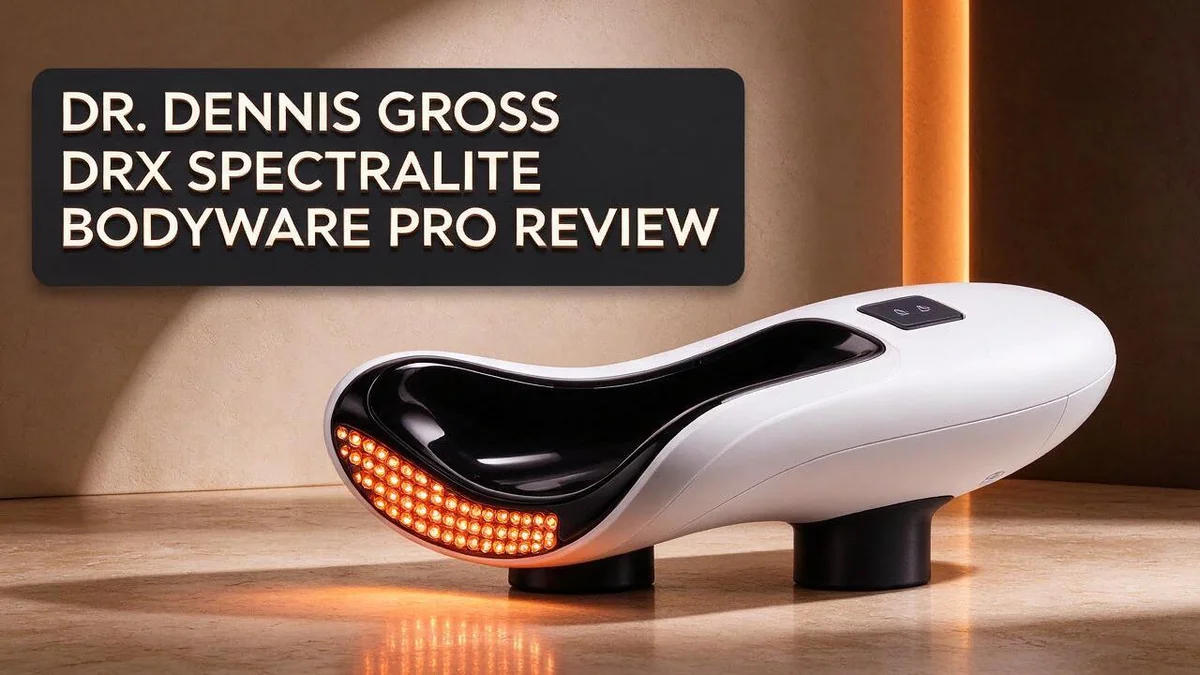
Light therapy at home has become a popular way to care for skin. Many people want a simple tool that works beyond the face. The Dr. Dennis Gross DRx SpectraLite BodyWare Pro aims to do exactly that.
This FDA cleared device uses 148 red LEDs and 68 blue LEDs. Red light targets fine lines, wrinkles, and age spots. Blue light helps clear acne. You can even combine both modes in one session.
Its flexible silicone design bends to fit your chest, arms, back, and belly. That makes it easy to use on tricky areas. In this review, you will learn how it performs, who it suits best, and whether it deserves a spot in your routine.
In a Nutshell
-
Four light modes give you flexible options. You can use red light for fine lines and age spots, blue light for breakouts, or a combined mode for both concerns at once.
-
The device treats more than your face. You can care for your chest, back, arms, and belly in one routine, which saves you from buying several tools.
-
Clinical backing adds trust. The brand connects with dermatologists, and its sibling FaceWare Pro line has clinical support behind it.
-
It targets many common skin concerns. The lights aim at wrinkles, redness, and dark spots, so you can address several issues with one device.
-
Rival devices offer strong alternatives. In one comparison, the Lumara VISO beat the FaceWare Pro, so compare features carefully before you decide.
-
It suits a full body routine. If you want consistent care across many areas, this model may match your goals well.
Light Modes and Wavelengths

- WHAT IT IS: Dermatologist-developed and FDA-cleared, this LED eye device builds natural elasticity to firm skin, reduce wrinkles, crow’s feet, puffiness, and dark circles, while lifting the appearance of the brow.
Last update on 2026-10-12 / Affiliate links / Images from Amazon Product Advertising API Some of the links on this website are affiliate links, which means that at no additional cost to you, I earn a commission if you click through and make a purchase. I only recommend products and services that I believe will add value to my readers. Thank you for your support!
Light modes decide which wavelength your skin receives. Each mode works on a different concern, so knowing the difference helps you get more from every session.
Wavelength is the key difference between modes. Shorter wavelengths stay near the surface. Longer wavelengths reach deeper into the skin.
Red light sits at the longer end of the visible spectrum. Many people use it for signs of aging, such as fine lines and uneven texture. This mode suits anyone who wants smoother skin over time.
Blue light has a shorter wavelength. It works closer to the surface, where it targets the bacteria linked to breakouts. Think of it as a helper for skin that is prone to blemishes.
The combined mode runs both wavelengths at once. This option suits you if you want to address aging and acne in the same session. You save time because you do not need to switch settings.
The fourth mode adds one more option to your routine. The research on this device does not give full details about it. Check the manufacturer guide before you rely on it for a specific goal.
Choosing a mode starts with your main concern. Try one mode for two or three weeks and watch how your skin responds. Then you can switch or combine modes as your needs change.
Consistency matters more than intensity. Light therapy works gradually. Regular sessions give better results than occasional long ones. Keep a simple log of your chosen mode and any skin changes each week.
Your skin type also shapes your choice. Sensitive skin may need shorter sessions at first. A dermatologist can help you decide which mode fits your skin best.
Flexible Design and Body Coverage
Many people struggle to treat skin below the neck. Flat face masks often miss curves. This device takes a different approach. Its shape helps the lights sit close to your skin on many areas.
Curved areas need extra attention. The collarbone, the sides of the neck, and the shoulder blades all have bumps and dips. A flexible panel can wrap around these spots. That closer contact helps the light reach the skin more evenly.
Hard to reach spots become easier. The middle of your back is a common example. Most people cannot see it well, so they skip it. With this design, you can rest the panel against the back in a comfortable position and keep it steady.
Try a simple setup for each area. Start by choosing one zone, such as the chest. Place the device, select your mode, and sit still for the full session. Then move to the next area on another day. This keeps your routine clear and calm.
The belly also responds well to a flexible panel. Skin here can look uneven over time. A bending design stays in contact during the session. This helps you cover the full area without constant adjusting.
Think about the skin on your arms. Upper arms can show crepey texture or uneven tone over time. A curved panel can follow the shape of the arm, so the light stays in place without constant holding.
Comfort matters for regular use. If a device feels stiff, you may stop using it. A soft, bendable material makes sessions easier to finish. You can also relax while the lights work, which helps you stay consistent.
Keep your body zones organized. Write down which areas you treat and how often. Many people find that a short log helps them spot changes. Over several weeks, you can see whether your skin looks smoother or more even.
Remember that light therapy works gradually. Give each area time before you judge results. Consistent use across your chest, back, arms, and belly gives you the best chance to see progress.
Results and Effectiveness
Real results take patience. Your skin needs several weeks of steady use before changes become clear. Many people notice a smoother feel first, then a more even tone.
Body skin does not respond the same way everywhere. The chest and back often have thicker skin and more oil glands. The arms and inner areas tend to be thinner, so changes may look different across each zone. Expect your results to vary by area.
Photos help you see progress. Your eyes can miss small shifts from day to day. Take a photo of each treated zone once a week in the same lighting. Compare the pictures after four or eight weeks for a clearer view.
Acne and redness often respond on a different timeline than wrinkles. Breakouts may calm within a few weeks for some people. Dark spots and fine lines usually need a longer stretch of routine care. Setting separate goals for each concern keeps your expectations realistic.
Some people feel mild warmth or dryness after a session. This usually fades within an hour. Pause for a day if your skin stays irritated.
Sun protection supports every result. Daily sunscreen protects new collagen and helps keep dark spots from returning. Good sleep and hydration also help skin recover between sessions. Your device works best as part of a full routine.
If you compare this device with rivals, look closely at published results data. Clinical details tell you more than bold marketing claims.
Track your progress in a simple journal. Write down the mode, the body zone, and how the skin felt that day. Patterns appear faster when you record them. Use this log to decide whether to keep going or adjust your routine with a dermatologist.
Light therapy will not erase deep wrinkles overnight. Small gains over time often feel more meaningful than dramatic promises. Stick with the plan for at least eight weeks before judging your results, and let steady progress guide your next steps.
Top 3 Alternatives
Neutrogena Light Therapy Mask

- RECHARGEABLE ACTIVATOR OR POWER PACK **WITHOUT 30 USE LIMIT**: Use it as many times as you want, whenever you want. You deserve to look good and feel good.
Last update on 2026-09-02 / Affiliate links / Images from Amazon Product Advertising API Some of the links on this website are affiliate links, which means that at no additional cost to you, I earn a commission if you click through and make a purchase. I only recommend products and services that I believe will add value to my readers. Thank you for your support!
Want an easy way to care for your skin at home? The Neutrogena Light Therapy Mask offers a simple option. It uses red and blue light to support a clear, even complexion. Many people like how quick and easy it feels to use.
Its flexible design fits many face shapes. You can wear it while you relax on the couch. Regular use helps you see steady results over time.
CurrentBody Skin LED Mask

- Enhanced collagen production capability significantly reduces fine lines, wrinkles and redness, for younger-looking skin.
Last update on 2026-10-12 / Affiliate links / Images from Amazon Product Advertising API Some of the links on this website are affiliate links, which means that at no additional cost to you, I earn a commission if you click through and make a purchase. I only recommend products and services that I believe will add value to my readers. Thank you for your support!
Want a mask that covers more of your face? The CurrentBody Skin LED Mask uses red and near infrared light. It aims to help with fine lines and skin tone. Users often praise its comfortable fit and sleek look.
Setup takes only a minute. Just press the button and start your session. Consistent sessions work best for most people.
Omnilux Contour Face
- Enhanced collagen production capability significantly reduces fine lines, wrinkles and redness, for younger-looking skin.
Last update on 2026-10-12 / Affiliate links / Images from Amazon Product Advertising API Some of the links on this website are affiliate links, which means that at no additional cost to you, I earn a commission if you click through and make a purchase. I only recommend products and services that I believe will add value to my readers. Thank you for your support!
Prefer a mask with a flexible shape? The Omnilux Contour Face uses near infrared and red light. Its soft silicone design curves around your face. Many users feel it helps their skin look fresh and rested.
Sessions feel gentle and calming. Pair it with your usual routine for the best results. Always read the instructions before your first use.
Treatment Routine and Ease of Use
Starting a new light device can feel like a big task. The BodyWare Pro keeps the process simple. Most people find it easy to fit into a daily habit.
Begin with clean, dry skin. Wash the area gently and pat it dry. Clean skin helps the light reach the surface without interference from oil or lotion.
Next, pick your mode. Choose the setting that matches your main concern. Then place the flexible panel over the target area and start your session.
Make the routine a habit. Use the device at the same time each day. A morning routine works well for some people. An evening session suits others who want a calm end to the day.
Storage plays a small but useful role in ease of use. Keep the device in a dry spot near your bathroom or bedroom. Visible storage reminds you to use it.
Some people like to pair a session with another task. Try it while you read or listen to a podcast. Idle moments turn into treatment time.
Keep a short checklist near your device. Tick off each step before you begin. A simple checklist makes the routine feel effortless, especially during busy weeks.
Think about timing for your schedule. Choose a time when you rarely get interrupted. Fewer interruptions make it easier to finish each session without rushing.
Cleaning the device matters too. Wipe the light surface with a soft, dry cloth after each use. Clean equipment keeps sessions comfortable and hygienic.
Set a phone reminder for the first two weeks. Reminders help new users build the habit faster. Once the habit forms, reminders matter less.
Watch for signs that your routine needs changes. If sessions feel rushed, shorten them and keep the same steps. If your skin feels irritated, pause use and talk with your dermatologist.
Overall, the BodyWare Pro offers a clear path from setup to finish. Simple steps and a flexible panel make daily use easier. With a steady rhythm, the routine becomes second nature.
Pros and Cons
Pros
– Dermatologist associated brand adds trust for body care.
– One device can target both aging and breakouts.
– It works on several body areas in one routine.
– It suits people who want a body focused light tool.
– Multiple light modes give you options for different concerns.
Cons
– The brand’s cited clinical backing applies to the face line.
– Lumara VISO won one comparison against this face sibling.
– It makes less sense for people who only need facial care.
Who Should Buy It
Some shoppers want a light device for more than the face. This model may suit people who notice concerns on the chest, arms, or back.
Think about your daily routine too. If you enjoy a calm evening habit, this device can fit right into it.
Good fits often share a few traits. They want one tool for several concerns. They like trying different modes. They also plan to stick with a routine for the long haul.
People with curved areas such as the shoulders or ribs may find this helpful. A shape that bends with the body makes contact easier.
Mixed concerns often lead people to this device. Someone who notices both wrinkles on the arms and redness on the chest may also benefit.
Who may skip it? Shoppers who want a fast fix may feel let down. Those with very sensitive skin should talk with a doctor first.
Think about your skin goals before you buy. Write down your top concern before you decide.
Some people enjoy a spa-like ritual at home. This device may appeal to them because it feels like a quiet treatment.
Bottom line for buyers. This device suits patient people with mixed body concerns. It works best for those who want variety and consistency. Pick it when you can commit to steady use.
Men and women both fit this profile. Age alone does not decide the match. Your skin goals and daily habits matter more.
Use this guide as a starting point. Check with your skin care provider if you have questions. Read each feature with your own needs in mind. A good match feels comfortable and clear. Take your time and choose with care. This approach helps you avoid regret.
Final Verdict
The Dr. Dennis Gross DRx SpectraLite BodyWare Pro stands out for one clear reason. It brings LED light therapy to areas beyond the face.
Its mix of red and blue light gives you real choice. You can switch between modes as your skin needs shift from season to season. Each mode targets a different concern, so you can match the light to the day.
Still, this device asks for patience. Light therapy rarely delivers quick changes. Most people need to stay consistent for several weeks before they notice a difference. Set a realistic goal for your first month. Look for softer lines, calmer redness, or fewer breakouts. Small wins show that the routine works.
Before you decide, ask yourself three simple questions. Do you have more than one body concern? Will you stick with a routine for months? Are you comfortable using a device on your chest, arms, and back?
If you answered yes to all three, this device fits your goals well. If not, a simpler option may serve you better.
Comfort also shapes your success. A device you enjoy using will stay in your routine longer. That consistency often matters more than any single feature.
Think about your expectations. This tool supports your skin care plan. It does not replace a visit to a dermatologist for serious skin issues.
That last point matters. Light devices can help with appearance concerns, but they do not treat every condition. A professional can guide you when a spot looks unusual or does not improve.
Overall, this device rewards people who plan ahead. It asks for time, attention, and steady habits. Those who bring those traits will likely feel the most satisfied.
Here is the bottom line. The device offers versatility, comfort, and a trusted name. Your success will depend on your habits, not just the hardware. Choose it with clear goals and realistic timelines.
Frequently Asked Questions
Can I use this device on my face?
The BodyWare Pro focuses on the chest, arms, back, belly, and other body areas. For facial care, choose the separate face-focused model instead.
How long does it take to see changes?
Light therapy usually needs steady use over several weeks. Take photos or write quick notes so you can spot small changes over time.
Should I talk to a doctor first?
Yes, a quick check-in is a smart step. Ask a dermatologist first if you have a skin condition, take medication that affects your skin, or feel unsure.
What should I do if my skin feels irritated?
Stop using the device if you feel pain, burning, or unusual redness. Give your skin time to settle before you try again. Contact a healthcare provider if the irritation lasts or gets worse.
Can I use other skin care products with it?
Many people add a gentle moisturizer to their routine. Read the device manual before you combine treatments. This helps you avoid mixing products that may not work well together.

Hey there, I’m Evelyn Carson, the founder and author of Trendy Beauty Blog. I’m a beauty enthusiast with a passion for sharing the latest trends and products with the world.

