
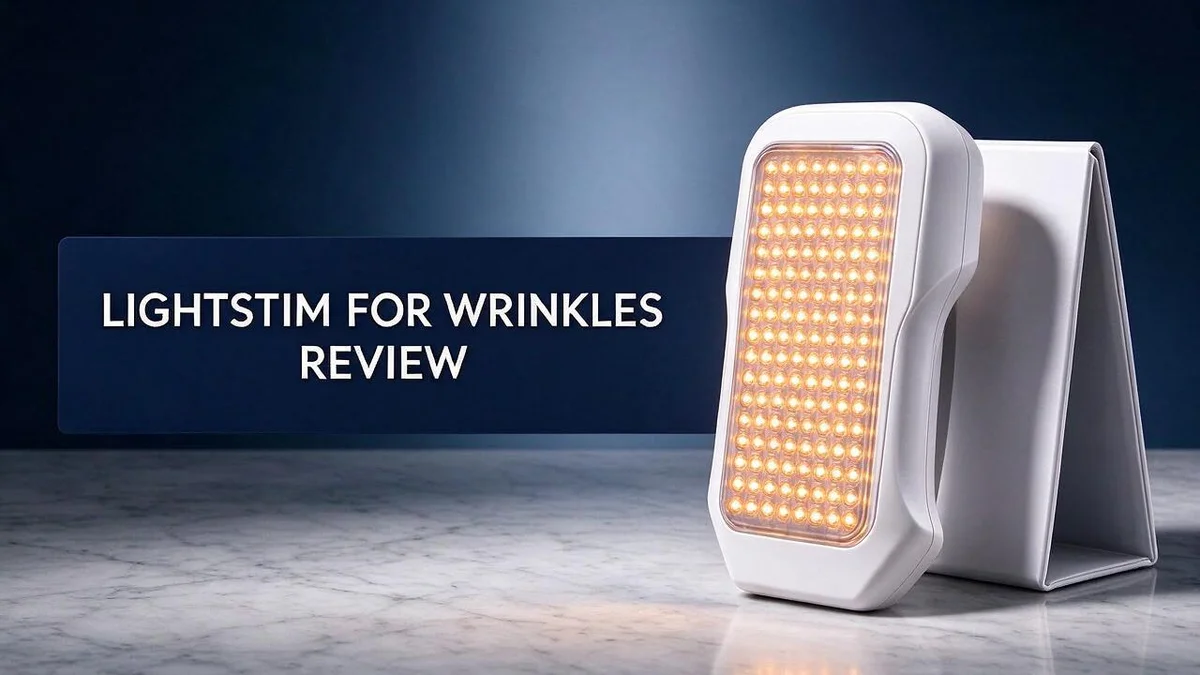
Are fine lines and wrinkles making you feel older than you are? You are not alone. Many people want a simple way to smooth their skin at home. LightStim for Wrinkles is one device that many readers want to learn about. It uses 72 LEDs to deliver red light to the skin.
The device is FDA-cleared to treat wrinkles across the entire face. That includes the forehead, crow’s feet, cheeks, nasolabial folds, and jawline. Setup is easy. You cleanse your face, apply a serum, plug in the device, and switch it on.
One reviewer used it daily for 8 weeks and felt happy with the results. Another noted that each area takes about 3 minutes, so a full face needs around 18 minutes. Is that time worth it for you? This review covers how it works, what users say, and how it compares to other LED masks and tools.
In a Nutshell
- Packed with 72 red LEDs: This device uses a wide LED panel for broad coverage. Many readers search for at home LED light therapy, and this model fits that need.
- Time is the main trade off: Each area takes about 3 minutes, so a full face session runs close to 18 minutes. Plan a calm window in your day.
- Target many facial zones: You can focus on the forehead, crow’s feet, cheeks, nasolabial folds, and jawline. This flexibility helps with different types of lines.
- Compare it with other tools: Shoppers often weigh it against the Omnilux LED mask, the Skin Gym Revilit LED tool, and microdermabrasion devices. Each option offers a different approach.
- Consistency drives results: Light therapy works best with regular use over time. Keep a simple log to track changes in your skin.
- Read both pros and cons: Reviews praise its easy use but point out the time demands. Weigh these points against your own routine and goals.
Light Technology and Specs

- Therapeutic Light Energy: LightStim delivers light energy in a similar way plants absorb light energy from the sun. Each LightStim device uses different wavelengths, or colors of light. LightStim for Wrinkles provides rejuvenating wavelengths of light energy to treat fine lines and wrinkles.
Last update on 2026-11-20 / Affiliate links / Images from Amazon Product Advertising API Some of the links on this website are affiliate links, which means that at no additional cost to you, I earn a commission if you click through and make a purchase. I only recommend products and services that I believe will add value to my readers. Thank you for your support!
Light therapy works in a simple way. The device sends red light into the skin. It does not use UV rays, so it does not tan or burn your skin.
Red light sits in the visible part of the light spectrum. Researchers often study red wavelengths for skin care.
Skin cells can absorb this light. Scientists believe that absorbed light may support natural repair processes.
Check the wavelength on the label. Wavelength often matters more than the number of diodes.
Ask the maker for the exact nanometer rating. A clear number helps you compare devices fairly. Some brands only list a general color.
Watch the distance too. Light strength drops as the distance grows. Hold the panel at the distance the instructions suggest.
Most LED tools feel cool or only slightly warm. Comfort is usually easy to manage during each session.
Protect your eyes during use. Bright light can strain the eyes. Close them or wear any eye protection the maker provides.
Fit matters too. A panel that sits flat against your face covers more evenly. Curved designs may suit some face shapes better.
Check the cord length as well. A longer cord gives you more freedom to choose where you sit or stand.
Think about your skin goals. Light tools work best as one part of a wider routine. Gentle cleansing and daily sunscreen support the results you want.
Some devices offer timers or auto shutoff. These features help you keep sessions consistent.
People with light sensitivity should talk with a doctor first. This advice also applies to anyone taking medicine that increases light sensitivity.
Clear specs set realistic goals. Read the label, follow the guide, and use the device with patience. Think of the device as one step in a steady plan.
Facial Coverage and Treatment Areas
A wide treatment area helps you cover more skin in each session. A clear plan keeps your routine smooth and complete.
Work in sections. Split your face into three zones: upper, middle, and lower. Finish one zone fully before you move to the next.
Mark a start point. Choose one fixed spot, such as the center of the forehead. Starting in the same place helps you cover every zone without rushing.
Use a mirror. Good lighting helps you see which spots you already treated. A hand mirror also shows the sides of your face.
Hold the device steady. Keep it in one place for the full time on each zone. Small shifts can make you lose track of your progress.
Follow the same order daily. Repeating the route builds a habit. You spend less time thinking about where to go next.
Adjust for your face shape. Round, oval, and square faces carry lines in different places. Spend a little extra time on the areas that bother you most.
Watch how your skin responds. Mild redness can appear after a session. If irritation lasts, pause your sessions and speak with a skin care professional.
Give your neck a thought. The research does not mention neck use. Check the product manual before you treat that area.
Keep sessions calm. Sit in a relaxed position. Rest your face for a moment between zones so you stay comfortable and focused.
Plan a weekly check. Look at your face in the same light each week. This habit makes small changes easier to spot.
Full coverage works best with a plan you enjoy. A clear routine makes each session feel quick and calm, and it helps you stay consistent.
Treatment Time and Routine
Set aside a calm window for each session. Many people squeeze treatments into busy mornings. A quieter evening often feels easier because you can focus on your face.
Use a phone timer for each zone. A timer keeps you on track without checking the clock again and again. Set it before you start, then place the phone face down.
Pair the session with another habit. Some people run the device while they wind down before bed. Linking the two makes the routine easier to remember.
Prep everything before you plug in. Cleanse first if you like, then apply your serum. Having products ready means less fumbling once the light is on.
Give your skin time to settle. One reviewer used the device every day for eight weeks and felt happy with the results. Rest days can help if your skin feels sensitive.
Choose a time that fits your life. Morning people may like early sessions, while night owls may prefer bedtime. The best time is the one you will keep.
Stay flexible when life gets busy. Travel or long workdays can break a routine. Shorter sessions for just the forehead or crow’s feet still count toward your goals.
Clean the lenses after each use. Wipe them gently with a soft, dry cloth. Residue on the surface can block some light from reaching your skin.
Store the device where you will see it. A tool kept in a drawer often gets used less. Try the bathroom counter or your bedside table.
Use weekends for longer sessions. Extra time on weekends lets you move slowly across the whole face. Weekdays can focus on your most important areas instead.
Expect steady progress over time. Light treatments rarely change skin overnight. Give your routine several weeks before you judge how it works for you.
Top 3 Alternatives
If you want other options, these three devices are worth a look. Each one uses light to help skin look smoother and more even. They differ in shape, size, and how they fit into your day.
Omnilux Contour Face

- Enhanced collagen production capability significantly reduces fine lines, wrinkles and redness, for younger-looking skin.
Last update on 2026-10-12 / Affiliate links / Images from Amazon Product Advertising API Some of the links on this website are affiliate links, which means that at no additional cost to you, I earn a commission if you click through and make a purchase. I only recommend products and services that I believe will add value to my readers. Thank you for your support!
This face mask uses red and near-infrared light to support a smoother look. Its shape follows the contours of your face, so light reaches more areas evenly. Use it several times each week for the best routine. Results can vary from person to person.
CurrentBody LED Mask
- Enhanced collagen production capability significantly reduces fine lines, wrinkles and redness, for younger-looking skin.
Last update on 2026-10-12 / Affiliate links / Images from Amazon Product Advertising API Some of the links on this website are affiliate links, which means that at no additional cost to you, I earn a commission if you click through and make a purchase. I only recommend products and services that I believe will add value to my readers. Thank you for your support!
This LED mask covers the full face with soft light. It offers several light settings, so you can pick what suits your skin. The lightweight design feels comfortable during a short session. Many sessions take about ten minutes, which fits busy schedules. Consistency matters more than long sessions.
Solawave Red Light Wand

- 4-in-1 Red Light Therapy Wand for Glowing Skin: Combines Red Light Therapy to smooth fine lines, Galvanic Current for deeper skincare absorption, Therapeutic Warmth to soothe under-eyes, and Facial Massage to reduce puffiness, all in one sleek skincare device.
Last update on 2026-06-06 / Affiliate links / Images from Amazon Product Advertising API Some of the links on this website are affiliate links, which means that at no additional cost to you, I earn a commission if you click through and make a purchase. I only recommend products and services that I believe will add value to my readers. Thank you for your support!
This handheld wand pairs red light with a gentle warming tool. You can focus on small areas, like lines around the eyes or mouth. Simply glide the wand across clean skin and follow the included guide. It suits people who like a hands-on routine. Always read the instructions before you start.
Results and Effectiveness
Results from LightStim for Wrinkles take time. Light tools rarely smooth lines overnight. Most people judge progress over several weeks instead of days.
The device holds FDA clearance for wrinkles across the entire face. Many people value that broad reach when lines appear in several places.
A full face session takes about 18 minutes. That time adds up across weeks of use. Skipping days can slow any visible change.
Shoppers often compare this device with the Omnilux LED mask. Others look at the Skin Gym Revilit LED tool as well.
Some people prefer a mask because it frees their hands. Hands free use can make the routine feel easier to finish.
Microdermabrasion takes a different path. It removes surface skin through gentle exfoliation. Light tools work in another way.
Set realistic expectations before you start. Light therapy may support a smoother look over time. It may not erase deep lines on its own.
Take photos in the same light each week. Side by side images show small changes that daily viewing can hide.
Sun protection also matters for lasting results. Daily sunscreen helps protect skin from new damage.
Give the device a fair trial. Use it for several weeks before you decide.
Some users note that results vary from person to person. Skin age, sun history, and habits all play a role.
Keep a simple log of each session. Note the date, the time spent, and any changes you notice.
Stay consistent during the first month. Early sessions build the habit you need. Results usually follow steady effort.
Changes tend to feel gradual rather than sudden. Small shifts in texture can show up before deep lines soften.
Your final verdict depends on your goals. Compare results with what you hoped for at the start.
A clear record makes it easier to judge fairly and avoid guesswork.
Skin Types and Suitability
Not every skin type gets the same experience from light therapy. Take a moment to think about how your skin behaves day to day.
Dry skin often feels tight after cleansing. A gentle moisturizer can help you feel comfortable after each session.
Oily skin can usually handle light therapy well. Cleanse thoroughly first so your serum spreads evenly across the face.
Combination skin sits between dry and oily zones. Many people treat the forehead and cheeks differently, so watch how each area responds.
Sensitive skin needs extra care. Test a small patch on the inner arm before you use the device on your whole face.
Darker skin tones can also use light devices, but results may look different from person to person. Ask a dermatologist if you have questions.
Active acne calls for a careful approach. Speak with a dermatologist to see whether light therapy fits your current treatment plan.
Easily flushed skin may react more strongly to new tools. Start with shorter sessions and pay attention to how your face feels.
Mature skin often shows deeper lines and looser texture. Lines that have formed over many years may take longer to soften.
Thin skin feels more delicate around the eyes. Rest the device gently against the skin rather than pressing down.
Very dry or cracked skin should heal before any new treatment starts. Wait until the surface feels calm and comfortable.
Medications and health conditions deserve attention. Some medicines make skin more sensitive to light, so check with your doctor before you begin.
Pregnancy and breastfeeding are times to ask a healthcare provider before starting any new device.
Bottom line: Many adults with fine lines can consider this device. A quick chat with a professional brings extra peace of mind. Your skin type shapes how you use it, so take time to learn your own needs.
Pros and Cons
Pros
– Simple steps make it easy to learn.
– Clear routine helps you stick with daily use.
– Covers several areas of the face in one session.
– Works well for people who like a step by step approach.
– Reviewers describe the setup as easy.
Cons
– Limited user feedback exists so far.
– Busy schedules may make daily use hard.
– Missed sessions may slow your progress.
– Results may look different from person to person.
Who Should Buy It
This device suits people who want a home option. Many readers want smoother skin without booking regular salon visits. A home device can fit that goal nicely.
Patient people often get the most from it. Light tools work slowly, so weeks of steady use matter. Someone who expects patience will likely feel less frustrated along the way.
Progress lovers may enjoy this device too. Keep a simple notes page and jot down how skin looks each month. This habit shows small changes that daily glances can miss.
Routine seekers can attach it to an existing habit. Pair the session with a task you already do, such as brushing your teeth. Linked habits are easier to keep.
Beginners who want a simple start can benefit most. Anyone new to light tools may appreciate a clear plan. Repeat the same routine each time to build confidence.
Some people use the device alongside other habits. Think of it as one part of a wider daily routine rather than a single fix.
Some shoppers should look elsewhere. People who want fast, dramatic changes will likely feel let down. A light device rarely delivers a big shift in a week.
People who dislike sitting still may find sessions dull.
Anyone with a medical skin concern should ask a professional first. This matters most if you take medicines that make skin more sensitive to light.
Good fit: readers who enjoy calm rituals. Some people treat skin care as a quiet moment for themselves. For them, this device can feel like a small reward.
Anyone who values a calm mind may enjoy the ritual. Let the session become a short break from screens.
Final decision rests with you. Read your goals, check your schedule, and ask whether you can commit for weeks. If the answer feels yes, this device may suit you well. Good luck with your choice.
Final Verdict
LightStim for Wrinkles can be a solid choice for people who enjoy a steady home routine. It covers the whole face in one session. It is not a magic fix, though, so your expectations matter.
Think of this device as a slow and steady tool. Light therapy rarely delivers quick changes. Consistency is what gives it real value.
One reviewer used it daily for 8 weeks and felt happy with the outcome. That kind of long run feedback tells you more than a first impression. The setup also feels easy, so you spend less time guessing how to use it.
The session does take some time. Each area needs about 3 minutes, so a full face session can reach about 18 minutes. You need to set aside that time every day if you want the routine to work. Plan the session at a calm moment, like your morning or evening habit.
Other options also exist. The Omnilux LED mask and the Skin Gym Revilit LED tool follow a similar light approach. Microdermabrasion devices take a different path by working on the skin surface. Compare how each tool fits your daily life before you decide. Look at the features that matter most to you.
Here is our final take. If you like routines and can stay patient, this device deserves a close look. It suits people who want smoother skin at home without regular salon visits. Beginners can also appreciate the clear steps.
If you want dramatic changes within a week, look somewhere else. Light devices reward patience, not speed. Your goals should guide your choice, and a clear plan will help you stick with it.
Frequently Asked Questions
What does FDA-cleared mean for this device?
FDA-cleared means the agency reviewed the device for treating wrinkles. It does not promise the same results for everyone. Read the product details to see exactly which uses the clearance covers. This gives you a clearer idea of what the device is designed to do.
Can I use a serum with the LightStim device?
Yes, the routine includes applying a serum before you switch on the light. Cleansing your face first is optional but can help the serum sit evenly. Choose a serum that feels comfortable on your skin. Avoid mixing in extra products right before a session.
How does LightStim compare to other LED masks?
Other LED tools, such as the Omnilux LED mask and the Skin Gym Revilit LED tool, also use light for skin care. The main differences come down to coverage, treatment time, and comfort. The research does not offer a full side-by-side comparison, so compare the details for each brand before you decide.
Should I talk to a dermatologist first?
Yes, it is a smart idea if you have a skin condition. People with sensitive skin, active breakouts, or medicines that make skin more sensitive to light should ask a doctor first. A skin expert can help you decide whether this device fits your needs.

Hey there, I’m Evelyn Carson, the founder and author of Trendy Beauty Blog. I’m a beauty enthusiast with a passion for sharing the latest trends and products with the world.