
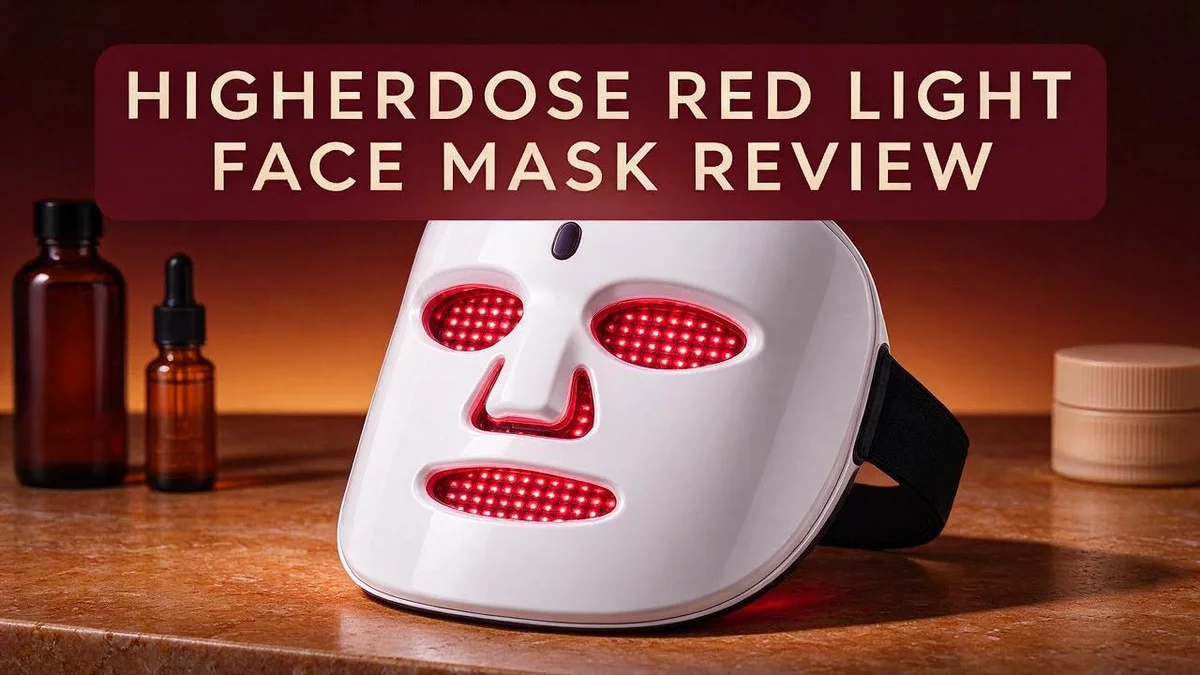
Are you curious about red light skincare? Many people want healthier skin at home. The HigherDOSE Red Light Face Mask promises to help. The mask uses medical grade silicone. It is easy to clean. It emits red and near infrared light.
The brand claims benefits like collagen support, smoother fine lines, and better hydration. Those claims sound exciting. But what does the science really say? Most studies look at LED masks in general, not this brand. Early trials suggest fine lines may soften a little. Mild dryness can happen.
User feedback is mixed. Many people enjoy softer skin and a calming feel. Others mention customer service concerns. Here is a clear look at what works and what does not.
In a Nutshell
- Easy care: The mask stays heat tolerant and simple to sanitize after each session. This makes it easy to fit into a regular home routine.
- Two light types: It emits red light and near infrared light. These are the two light types people usually discuss when they explore LED skin care at home.
- Calming feel: Some users say the mask helps them relax. They also report a brighter mood after using it for a session.
- Softer skin reports: Positive comments mention skin that feels softer after regular sessions. These reports come from individual users, not controlled tests.
- Service concerns: One Reddit user pointed to many Instagram complaints and slow, unresponsive customer service. This account is anecdotal, so it may not reflect every buyer’s experience.
- Possible dryness: Trial coverage of LED masks in general notes mild side effects like dryness. These findings do not come from HigherDOSE specific studies.
Readers who want a quick overview can start here. The points above can help you decide if this mask fits your skin goals.
Light Technology and Wavelengths

- Red Light Therapy for Face & Skin Rejuvenation - This FDA cleared, FSA eligible red light therapy mask uses red (630nm) and near-infrared (830nm) light & is clinically proven to reduce fine lines, smooth texture, and restore radiance. A powerful upgrade to your at-home face masks skincare routine.
Last update on 2026-06-02 / Affiliate links / Images from Amazon Product Advertising API Some of the links on this website are affiliate links, which means that at no additional cost to you, I earn a commission if you click through and make a purchase. I only recommend products and services that I believe will add value to my readers. Thank you for your support!
Light technology drives every LED face mask. Each mask uses small diodes that emit light at specific wavelengths.
A wavelength is the distance between light waves. It gets measured in nanometers, and this number shapes how light reacts with skin.
Red light sits in the visible spectrum, so you can see its soft glow. Its wavelength is longer than blue light, which means it reaches a bit deeper.
Near infrared light works at even longer wavelengths. Your eyes cannot detect it at all. It can pass deeper into tissue than red light does.
That is why many masks pair both types. Together they may reach more skin layers in a single session.
Think of sunlight through a window. Some rays stay near the surface, while longer rays travel further in. Light behaves in a similar way on your skin.
Skin has several layers. The outer layer is the epidermis. Longer wavelengths reach the middle layer, called the dermis. This layer contains blood vessels and fibers that support skin structure.
Researchers often call this process photobiomodulation. The idea is that cells absorb light energy and may respond with normal repair activity.
Some devices offer pulsed modes. Manufacturers say pulses may feel gentler on skin. Research on pulsed settings is still limited.
Light intensity is measured as irradiance. It describes how much light lands on each square centimeter. Stronger is not always better. Gentle settings often suit beginners best.
Wavelength matters more than brightness. A very bright light at the wrong wavelength may do little. Always look for the exact nanometer range in the product details.
Science is still growing in this area. Most studies test LED light in general, so results may vary. Keep your expectations realistic as you explore light settings.
Understanding these basics helps you read product details with more confidence.
Design, Materials and Comfort
Comfort often decides whether people keep using a light mask. Most sessions last ten to fifteen minutes, so fit and feel deserve a closer look.
Start with the shape. Every face has different cheek curves, brow lines, and jaw angles. A mask that follows these contours sits closer to the skin. Closer contact helps the light reach the target area more evenly.
Gaps can change the experience. If the edges lift, light may spill onto your hair or neck instead. A loose mask can also shift when you move, which breaks your focus during a session.
Consider the weight and pressure. A lighter frame feels easier to wear while you sit back or read. Heavier designs may press on your nose or forehead after a while, so pay attention to how it feels.
Eye protection matters too. Most LED masks include eye shields, but the design of these parts varies. Look for a snug seal around the eyes so bright light stays where you want it.
Airflow and warmth play a role as well. Some people feel heat build up behind the lenses after several minutes. Taking short breaks or choosing a session length that suits your skin keeps the experience pleasant.
Strap and closure style affect daily use. A simple adjustable strap usually holds the mask steady without extra effort. Fasteners that pinch or tug can turn a relaxing routine into a chore.
Test the mask in a short session first. Notice any pressure points, warmth, and how the strap feels after ten minutes. This quick check tells you more than a glance at product photos.
Finally, think about your setup. Choose a spot where you can sit comfortably and keep cables out of the way. A comfortable routine helps you stay consistent, and consistency matters most for any light based skincare plan.
Results and Effectiveness
Results from a red light face mask usually build slowly. Most people need several weeks of regular use before they notice a change.
The brand claims collagen stimulation, fewer fine lines, better hydration, and a more even skin tone. The research we reviewed does not include studies on this exact mask, though.
Trial coverage of LED masks in general suggests they may soften fine lines “a little.” That wording sets a realistic bar. Think of any change as subtle rather than dramatic.
Consistency matters more than intensity. Skipping sessions often slows progress. Pick a set time, such as after your morning cleanser or before bed.
Photos help you judge results fairly. Take a picture of your face in the same light each week. Side by side images reveal changes that daily mirror checks can miss.
Keep a simple skin journal too. Note hydration, redness, texture, and any breakouts. Over a month, patterns become easier to spot.
Results also vary from person to person. Age, skin type, and daily habits all shape how your skin responds.
Sleep, sunscreen, and water intake can influence outcomes just as much as a light session. Success might look like skin that appears rested or feels smoother to the touch.
Pair the mask with a gentle moisturizer and daily sunscreen. Light sessions work best as part of a steady routine.
Shoppers often compare options like the KentDO LED Mask with Nano Mist or the DermaShine Pro 7 Color LED Mask. The Project E Beauty LED Face Mask is another common choice.
Look past the marketing. Check which light types each mask uses and how clearly the brand explains its session guidance.
Set realistic goals before you start. Judge the mask after eight to twelve weeks of steady use. If you see no change, talk with a dermatologist about other options.
Top 3 Alternatives
If you want other options, these three masks are worth a look. Each one offers a different feel and style.
Omnilux Contour Face

- Enhanced collagen production capability significantly reduces fine lines, wrinkles and redness, for younger-looking skin.
Last update on 2026-10-12 / Affiliate links / Images from Amazon Product Advertising API Some of the links on this website are affiliate links, which means that at no additional cost to you, I earn a commission if you click through and make a purchase. I only recommend products and services that I believe will add value to my readers. Thank you for your support!
Looking for a flexible light option? The Omnilux Contour Face uses soft, curved panels that wrap around your features. Many people like how it hugs the jaw and cheeks.
It uses red and near infrared light to support a healthy look and feel. Sessions stay short and simple. Most users say they can relax while the light works. This choice suits anyone who puts comfort first.
CurrentBody LED Skin Mask
- Enhanced collagen production capability significantly reduces fine lines, wrinkles and redness, for younger-looking skin.
Last update on 2026-10-12 / Affiliate links / Images from Amazon Product Advertising API Some of the links on this website are affiliate links, which means that at no additional cost to you, I earn a commission if you click through and make a purchase. I only recommend products and services that I believe will add value to my readers. Thank you for your support!
Want a mask that fits into a busy routine? The CurrentBody LED Skin Mask is light and easy to store. It offers several light colors, so you can pick what suits your skin goals.
A simple strap keeps the mask in place. You can move around the room while you wear it. Consistent use helps you see the most benefit. Keep the mask clean and follow the included guide.
DRx SpectraLite FaceWare Pro

- WHAT IT IS: This LED device for the face targets wrinkles and acne for visibly smoother, clearer skin in just 3 minutes. It helps boost collagen, fight acne, smooth wrinkles & diminish dark spots. Dermatologist-developed and FDA cleared.
Last update on 2026-11-20 / Affiliate links / Images from Amazon Product Advertising API Some of the links on this website are affiliate links, which means that at no additional cost to you, I earn a commission if you click through and make a purchase. I only recommend products and services that I believe will add value to my readers. Thank you for your support!
Do you want a professional style device at home? The DRx SpectraLite FaceWare Pro uses a full face design with strong light coverage. It suits people who enjoy a structured routine.
Set a timer and follow each step. Read the safety notes before your first session. If you have skin conditions or take light sensitive medicine, talk with a doctor first.
Skin Types and Suitability
Skin type shapes how a red light face mask feels and performs. Light therapy does not treat every face the same way. Oily, dry, combination, and sensitive skin can each respond differently.
Oily skin and breakout prone skin may like the claimed acne bacteria targeting. The research includes no studies on this brand for acne, though. Clean the silicone frame often so oil and dirt do not build up.
Dry skin may feel tight after a session. Mild dryness is a common side effect reported for LED masks in general. If flaking appears, shorten your sessions and give your skin extra rest days.
Combination skin may need a different approach. Some people use the mask on drier cheeks and skip the oilier forehead. Check that the mask still fits the area you want to treat.
Sensitive skin and rosacea need extra caution. Heat and light can trigger redness or stinging in some people. Stop the session if burning feels sharp, and check your skin the next morning.
Darker skin tones deserve honest attention too. The available research does not explain how the mask performs across every skin tone. Reading reviews from people with similar skin can help you set expectations.
Teens with acne should talk to a dermatologist first. A mask should not replace prescribed treatment. A doctor can explain which option fits best.
Medications and medical conditions can change how skin responds to light. People who take photosensitizing medicines, use strong retinoids, or have lupus should speak with a doctor first. Pregnant people should also ask a healthcare provider before starting.
Recent cosmetic treatments call for a waiting period. Give your skin time to heal after peels, lasers, or microneedling. Your provider can recommend a safe timeline.
Choosing wisely starts with an honest self-check. Note your skin type, any known sensitivities, and your health history. This simple review makes it easier to decide whether the mask suits you.
Pros and Cons
Pros
- Medical-grade silicone feels comfortable and handles heat well.
- Users often report softer skin after their sessions.
- The mask is easy to wipe clean between uses.
- Many people describe a calming, relaxing feel during use.
- It emits both red and near-infrared light in one device.
Cons
- Customer feedback is mixed, with some users reporting slow support replies.
- One user described many Instagram complaints about the mask.
- Most of the evidence comes from general LED mask research, not HigherDOSE studies.
- Results may vary, so personal expectations should stay realistic.
Who Should Buy It
This mask fits some people better than others. It suits readers who enjoy a calm, steady skin routine at home. If you want quick, dramatic changes, this device may disappoint you.
People who like a little self-care time often find this mask worth a look. A session can feel like a short pause in a busy day. That quiet break matters to many users too.
Careful researchers also benefit. The research we reviewed does not include brand specific clinical studies. Readers who like to check the facts before they commit will feel at home here.
People who need fast customer service may hesitate. Some users report slow replies from support. If you expect quick help with orders or returns, plan for possible delays.
A regular evening slot can also anchor a bedtime habit. Some people like having a set time for their light session each day. Routine often makes the habit stick.
Shoppers with skin concerns beyond the basics should set clear goals first. A light mask supports a routine, but it does not replace a visit to a dermatologist for serious issues. Write down what you want before you decide.
Who should skip it? Anyone who expects a fast cure or a miracle change should look elsewhere. Readers who want a long, proven clinical record for this exact brand may also want more proof first.
Compare this mask with other LED options before you buy. The KentDO LED Mask with Nano Mist, the DermaShine Pro 7 Color LED Mask, and the Project E Beauty LED Face Mask all offer different features.
Read recent reviews side by side. Look for patterns in comments about comfort, results, and support. This simple step helps you judge which option fits your needs best.
Take your time with this choice. A clear plan helps you get the most from any light device.
Final Verdict
Our final verdict is simple. This mask suits a calm, patient person. It does not suit someone who wants fast results.
Think of it as a steady routine rather than a quick fix. Keep your expectations grounded, and you will judge it fairly.
Start with a short trial. Use the mask on a set schedule for several weeks. Take photos in the same lighting each week. Photos reveal small changes that memory often misses.
Write down how your skin feels after each session. Note any tightness, redness, or itch. This simple log gives you clear facts instead of guesses.
Test a small area first. Try the mask on a patch of skin, such as behind the ear, before you use it on your whole face. Wait a few days and watch for any reaction. This quick step protects your skin from surprises.
Ask yourself three questions. Do you enjoy quiet self-care time? Can you stick to a regular evening slot? Are your goals modest, such as a smoother look and better hydration? If you answered yes, this mask deserves a closer look.
If you answered no, you may want a different tool. Some people prefer skincare with stronger clinical backing. Others want a dermatologist to guide their plan first.
Check the seller’s return terms before you commit. Clear terms protect you if the mask does not fit your routine. Read them closely and save your order details.
Plan for customer contact too. Since some buyers report slow replies, send clear questions in writing. Save every message in case you need it later.
Our bottom line: The HigherDOSE Red Light Face Mask offers a gentle, relaxing ritual with a set of claimed skin benefits. Brand specific proof is still missing, so treat it as a personal experiment. Go in with patience, a written plan, and realistic goals. Then your decision will rest on your own skin, not on hype.
Frequently Asked Questions
Can I use this mask with my other skincare products?
Gentle serums and moisturizers usually work well alongside the mask. Strong actives, such as retinoids, may irritate your skin when combined with light sessions. Ask a dermatologist before you mix them into your routine.
Should I talk to a doctor before I start?
Yes, a doctor visit is a smart step if you have sensitive skin or a skin condition. It also matters if you take medicines that make skin more sensitive to light. The research we reviewed does not include safety data for these groups.
Do I need eye protection during sessions?
The research does not say whether the mask shields the eyes. Keep your eyes closed during every session. Read the product guide for clear eye safety instructions before your first use.
What side effects should I watch for?
Mild dryness is the most common side effect reported with LED masks in general. Stop using the mask if you notice redness, burning, or irritation that does not fade. Add a rich moisturizer after sessions if your skin feels tight.

Hey there, I’m Evelyn Carson, the founder and author of Trendy Beauty Blog. I’m a beauty enthusiast with a passion for sharing the latest trends and products with the world.